Architecture · Retrospective
Why game items became ERC-1155 while Playermons stayed ERC-721
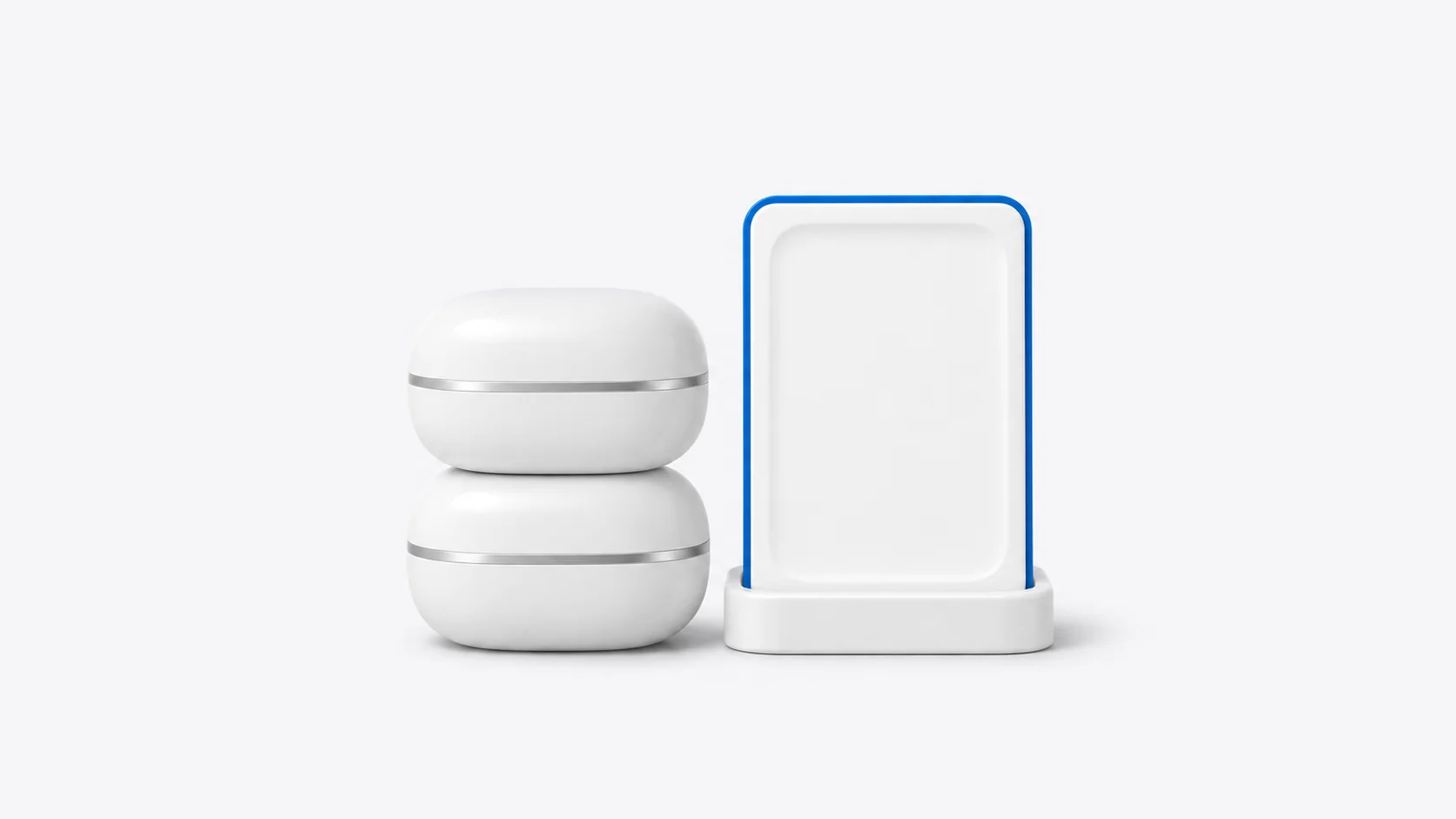
On 8 December Playermon item NFTs became tradable on our Radix marketplace. Breeding pods are the item the announcement singles out. Items can raise a player's SGEM earnings or decorate their SpaceDen, and breeding will use pods. Items are ERC-1155 tokens. The Playermons themselves are ERC-721, as they have been from the start.
Two token standards in one game can look like an inconsistency. I see it the other way round: each standard matches the shape of the thing it represents.
A creature is one of one
Every Playermon is unique. Its skills come from its body parts, and those come from the genetic logic of breeding. Two Playermons of the same rarity are still different creatures with different fights in them.
ERC-721 models exactly that. Each token has its own ID and exactly one owner, and the contract's central question is who owns a given token. A marketplace listing is therefore one creature, and a buyer needs that creature's parts, skills and rarity in front of them before deciding. When I wrote about the Radix marketplace in March, filters for rarity, price and type were much of the point. For creatures, the listing is the token.
A pod is one of many
A breeding pod is not unique. One pod is as good as another of the same kind. Pods started life as ERC-721 tokens, which gave every pod its own ID, its own transfer and its own listing, even though nobody cares which pod they receive. In June we announced that pods would move to ERC-1155. This month that move reached the market.
ERC-1155 lets one contract hold many token types. Each type has an ID, and the contract records a balance for each owner and each type: this wallet holds seven units of that item. Within a type, units are interchangeable, like a fungible token. A type with a supply of one behaves like an NFT. The standard can also move several types in a single batch transfer, which suits a game where a player handles a few items at a time.
What changes in a listing
The difference shows most clearly in the marketplace.
- A listing has a quantity. An ERC-721 listing is one token. An ERC-1155 listing is a number of units of one type, and a buyer may want fewer than the seller offers. The marketplace has to handle partial fills.
- Ownership is a balance, not a name. For a creature, the marketplace checks that the seller still owns that token ID. For items, it checks that the seller still holds enough units when the trade settles, because they may have used or sold some since listing.
- Price discovery is per type. For identical pods, the cheapest listing is the price. A floor price for one kind of item means something. A floor across all Playermons hides more than it shows, because no two are alike.
- Approval is broader. ERC-721 lets an owner approve a single token for transfer. ERC-1155 has only operator approval: a marketplace is approved for every token the player holds in that contract. That is normal and necessary for trading, but it puts more weight on what is being approved, and where.
That last point came into focus this month for reasons outside our game. On 14 December a malicious version of Ledger's Connect Kit, a library many decentralised applications use to connect wallets, was published, and for several hours some sites that loaded it showed users a wallet drainer. An approval is only as safe as the page asking for it. The advice I give anyone holding game items is the same as for any token: approve only addresses you have checked, on a page you reached yourself, and revoke approvals you no longer use.
Why not move everything to ERC-1155
ERC-1155 can represent unique items, so in principle the creatures could live there too. We left them where they are. Every Playermon already exists as an ERC-721 token, and moving them would mean a migration for every holder, new approvals, and every outside marketplace and wallet relearning the collection, for no gain to the creature itself. A standard should be chosen for what the data is, and a creature's data has not changed.
Keeping both does ask more of the marketplace. It has to list two kinds of asset with different rules for quantity, ownership and price, side by side, without confusing players about which is which. That is a cost we accept, because the alternative is forcing one kind of asset into the other's shape.
The rest of the month
On 4 December PYM was listed on OpenOcean, a DEX aggregator, and on 16 December the team released a flip-card mini-game open to all players. By the end of December the Radix marketplace carries two kinds of asset under two standards: unique creatures, and stackable items starting with breeding pods.